

Erasmus +
The English translation can be found below.
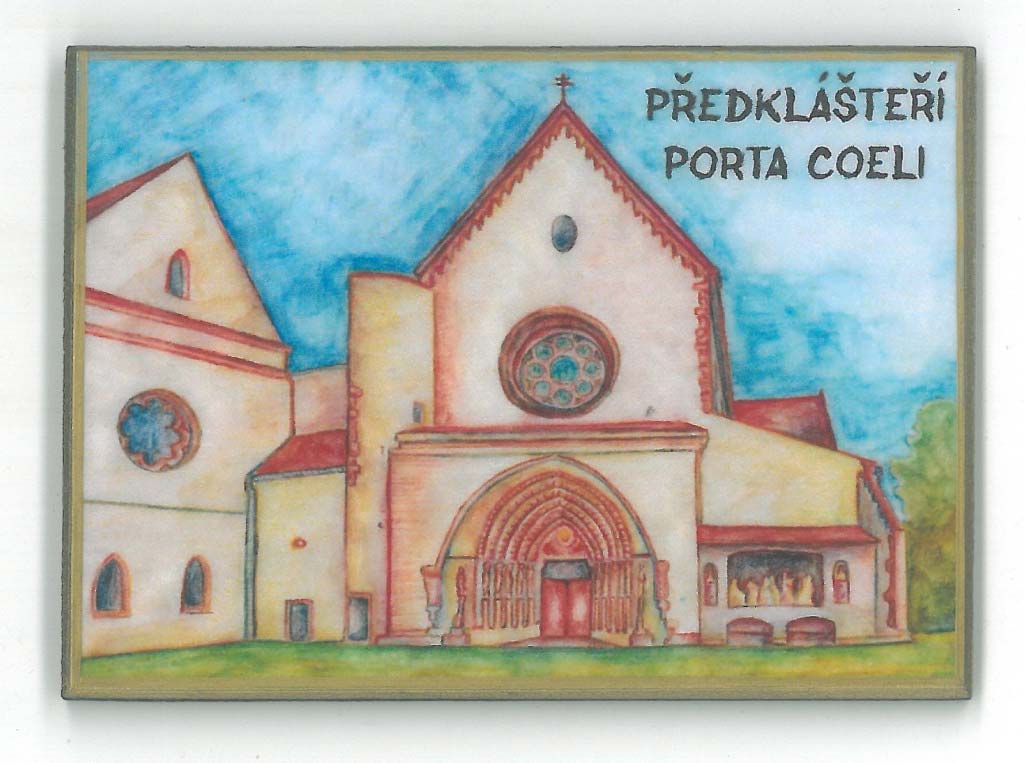
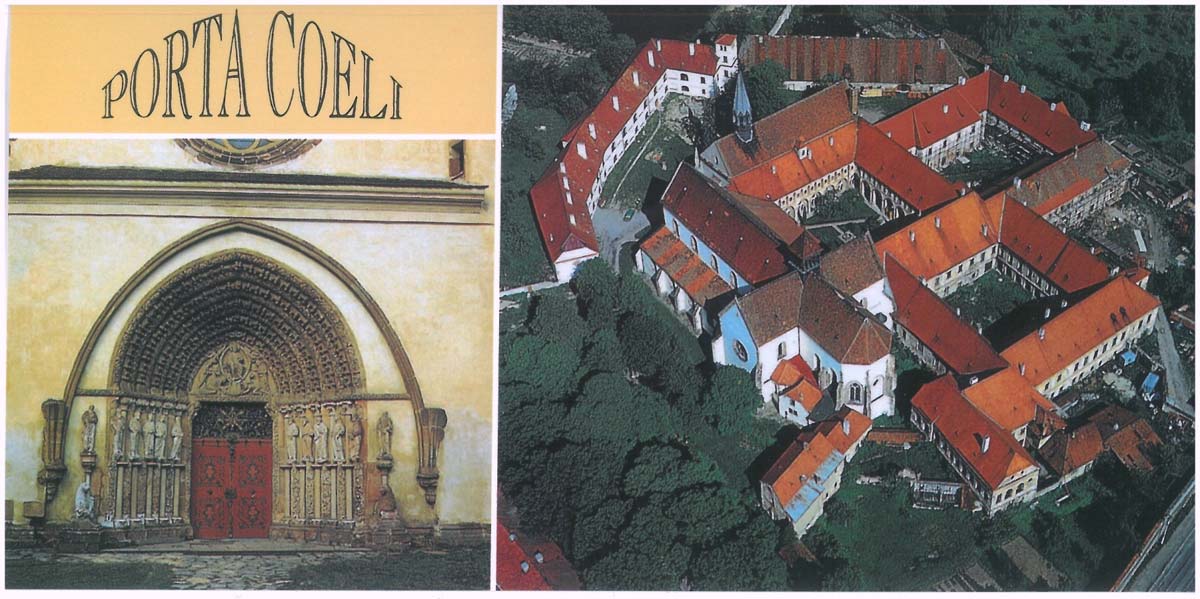
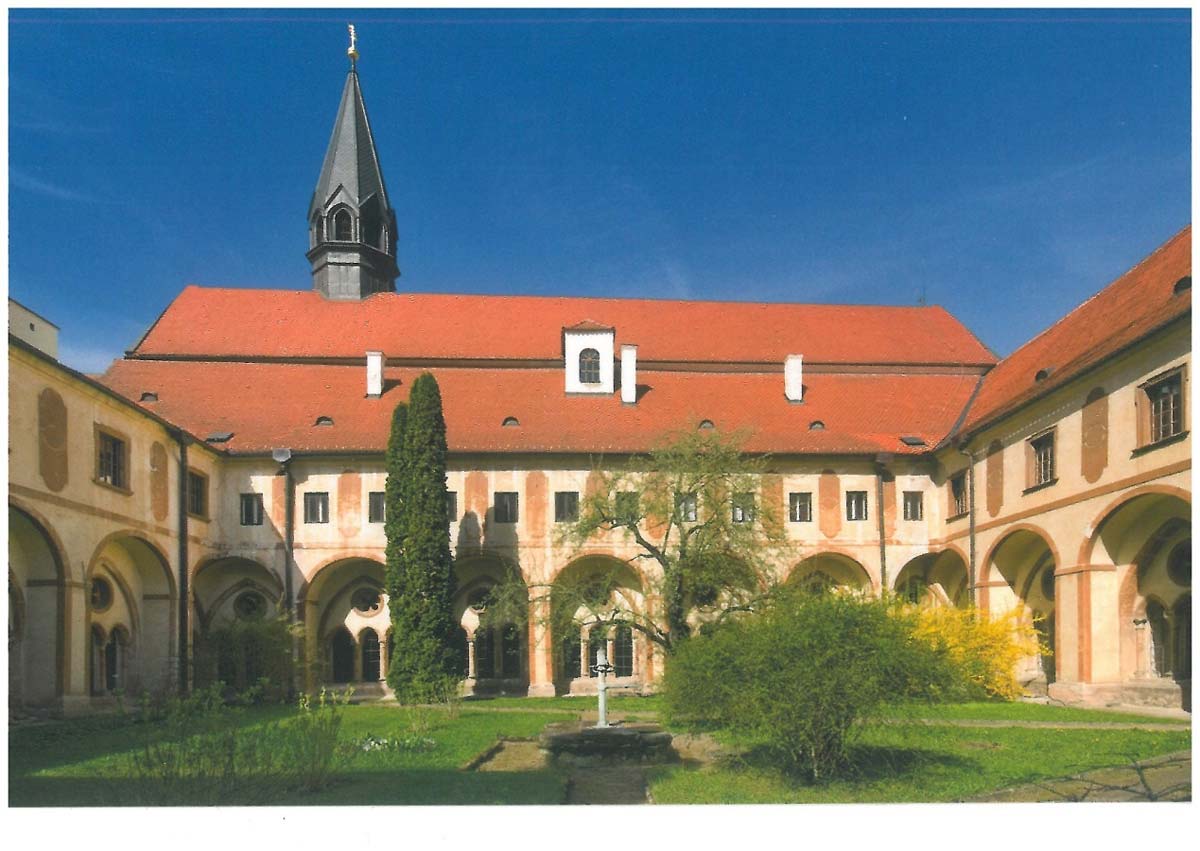
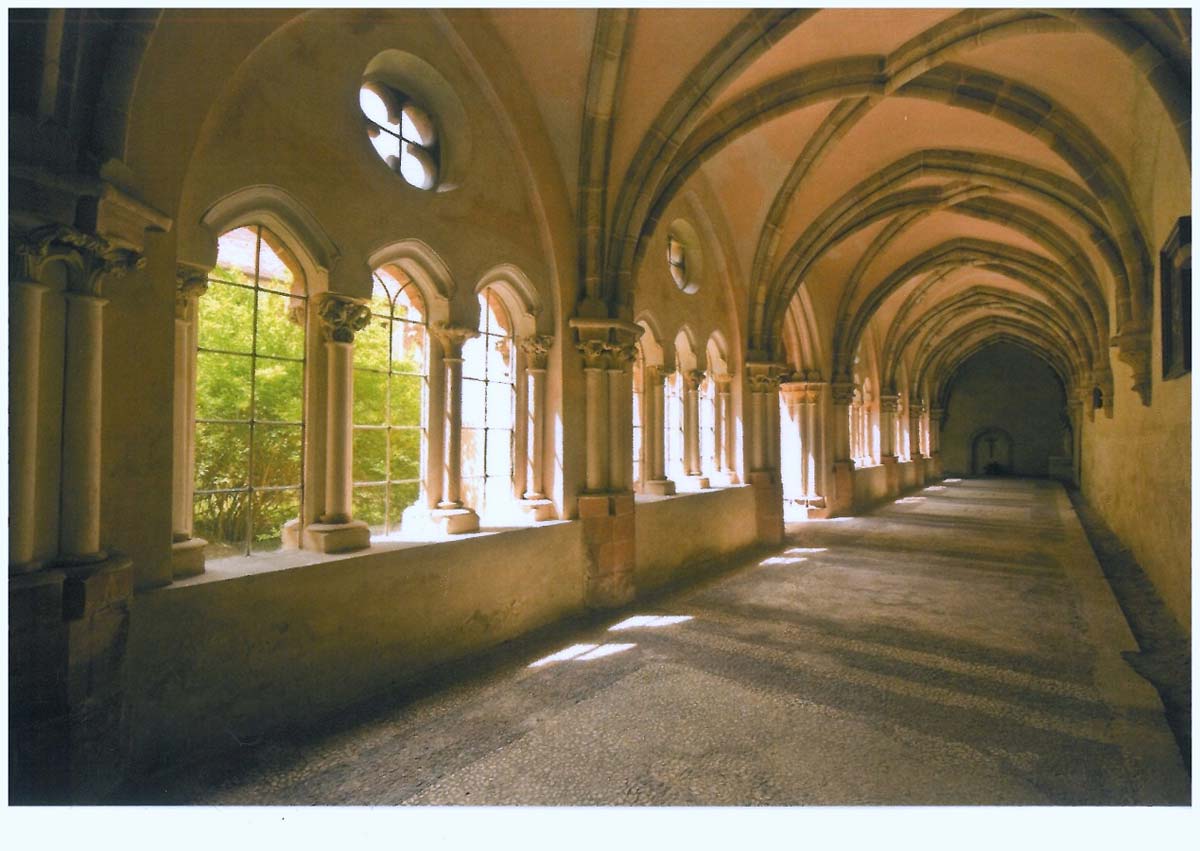
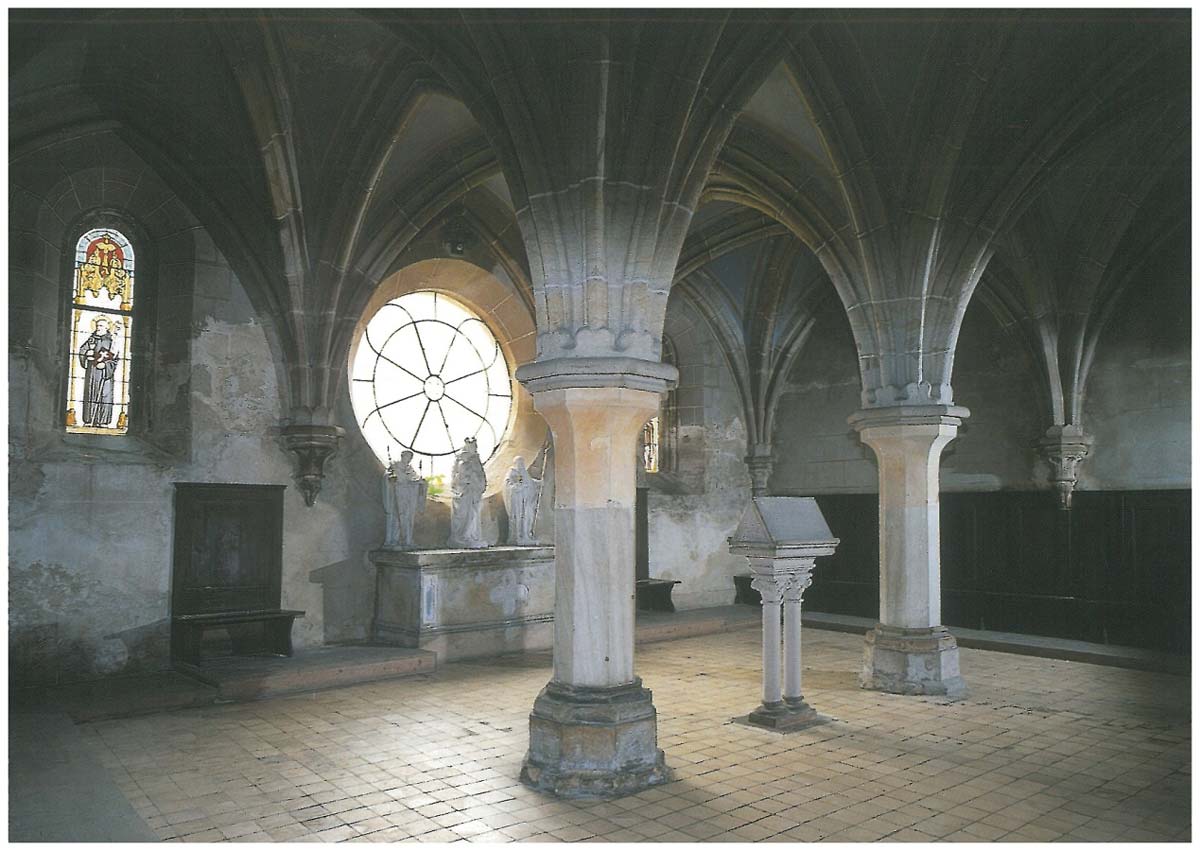
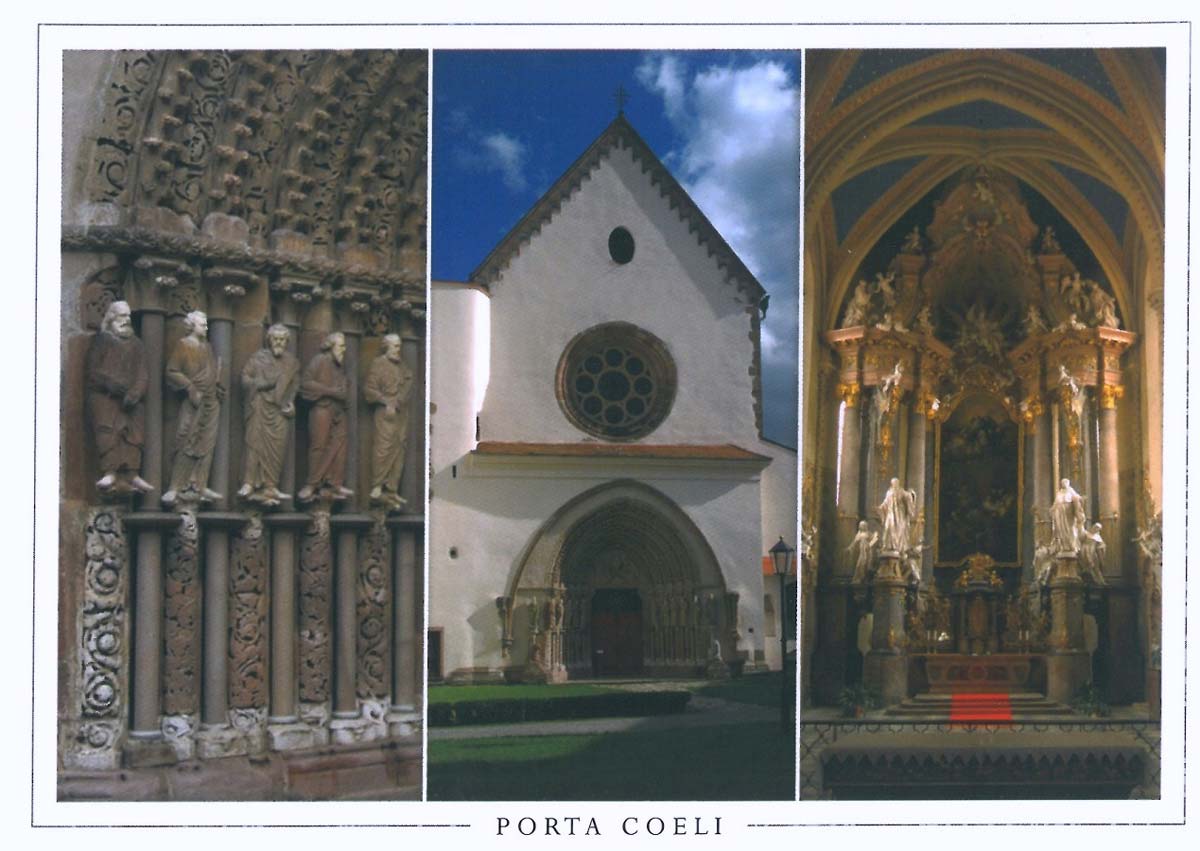
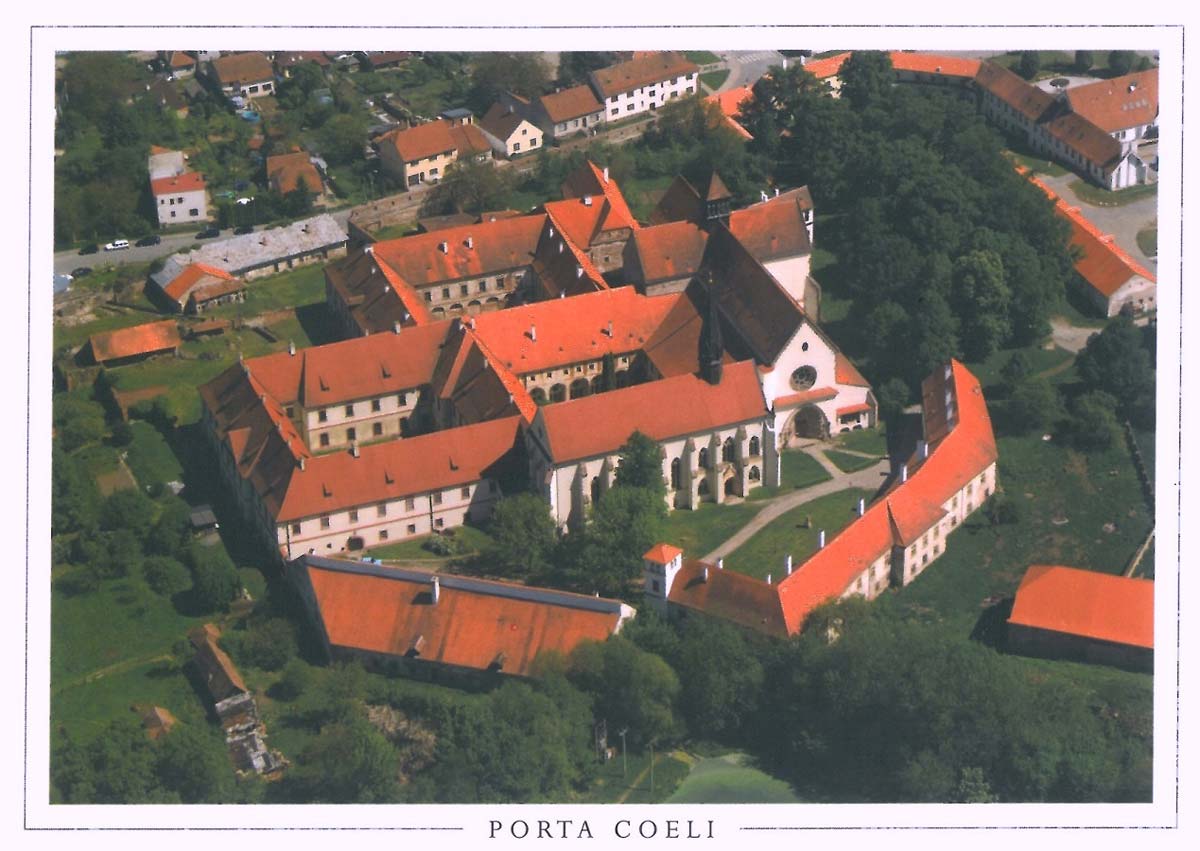
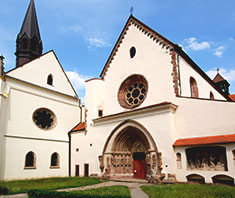
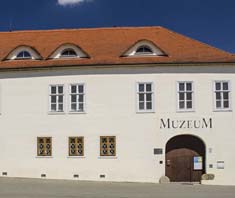
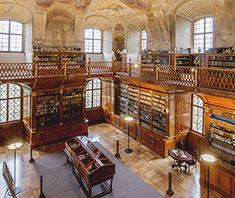
Muzeum Brněnska je příspěvkovou organizací Jihomoravského kraje, která spravuje významné historické objekty a pečuje o kulturní dědictví regionu. Jeho hlavní sídlo se nachází v areálu kláštera Porta Coeli v Předklášteří. Muzeum se věnuje sbírkotvorné, výzkumné, výstavní i edukační činnosti, připravuje kulturní programy a podporuje komunitní život. Muzeum Brněnska tvoří celkem 6 poboček:
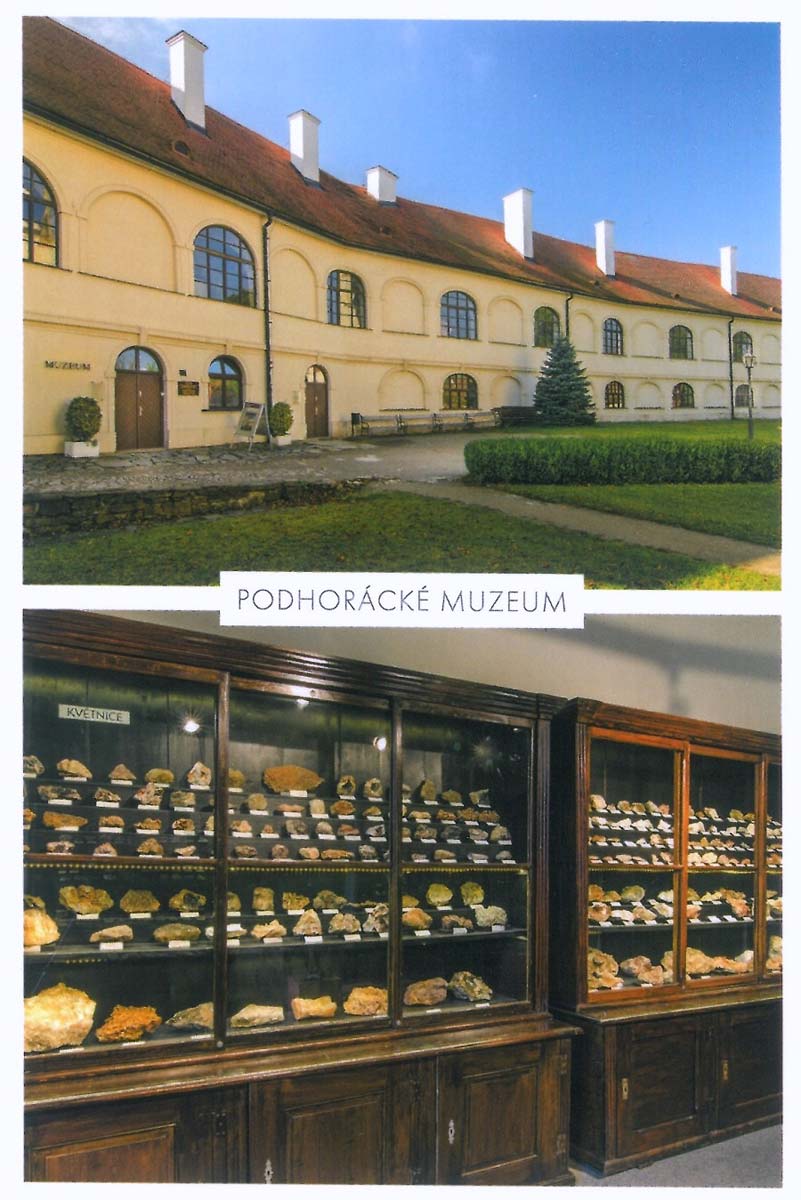
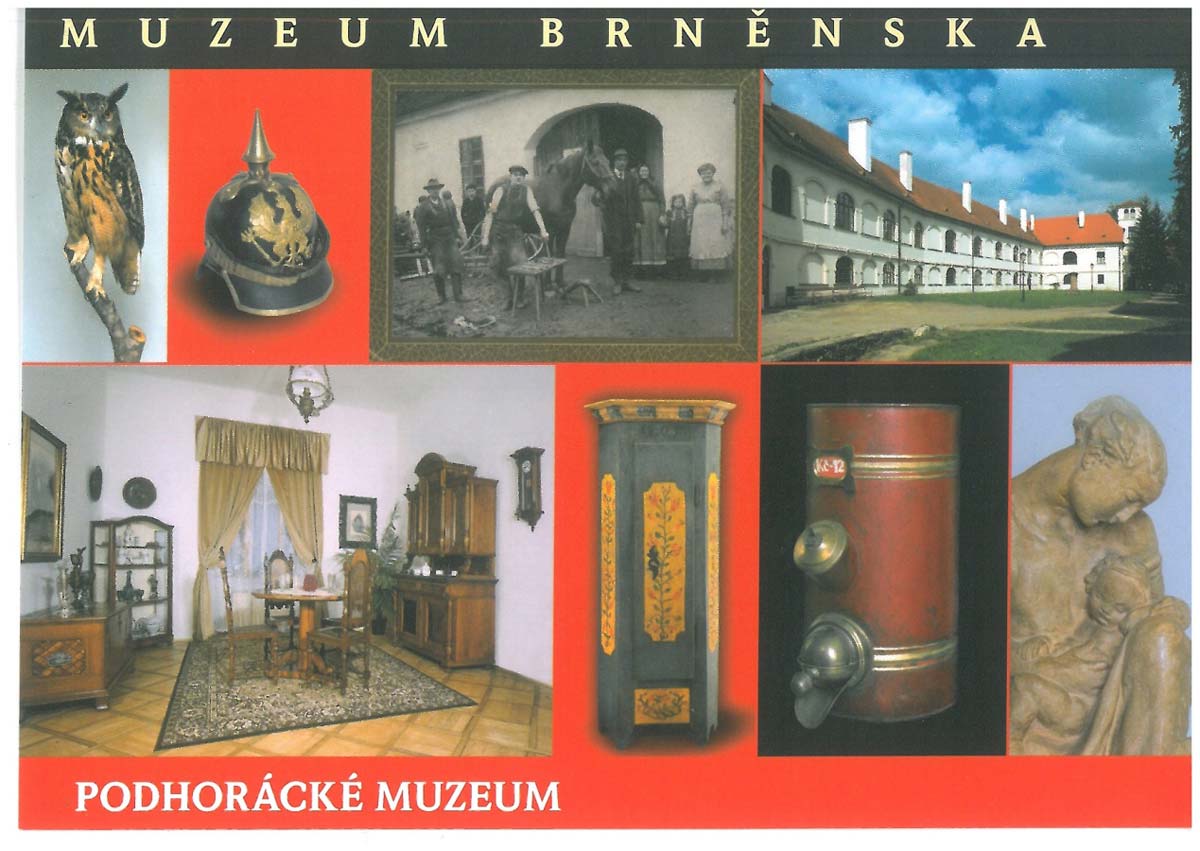
- Podhorácké muzeum v Předklášteří je paměťovou institucí pro region města Tišnov a okolních obcí,
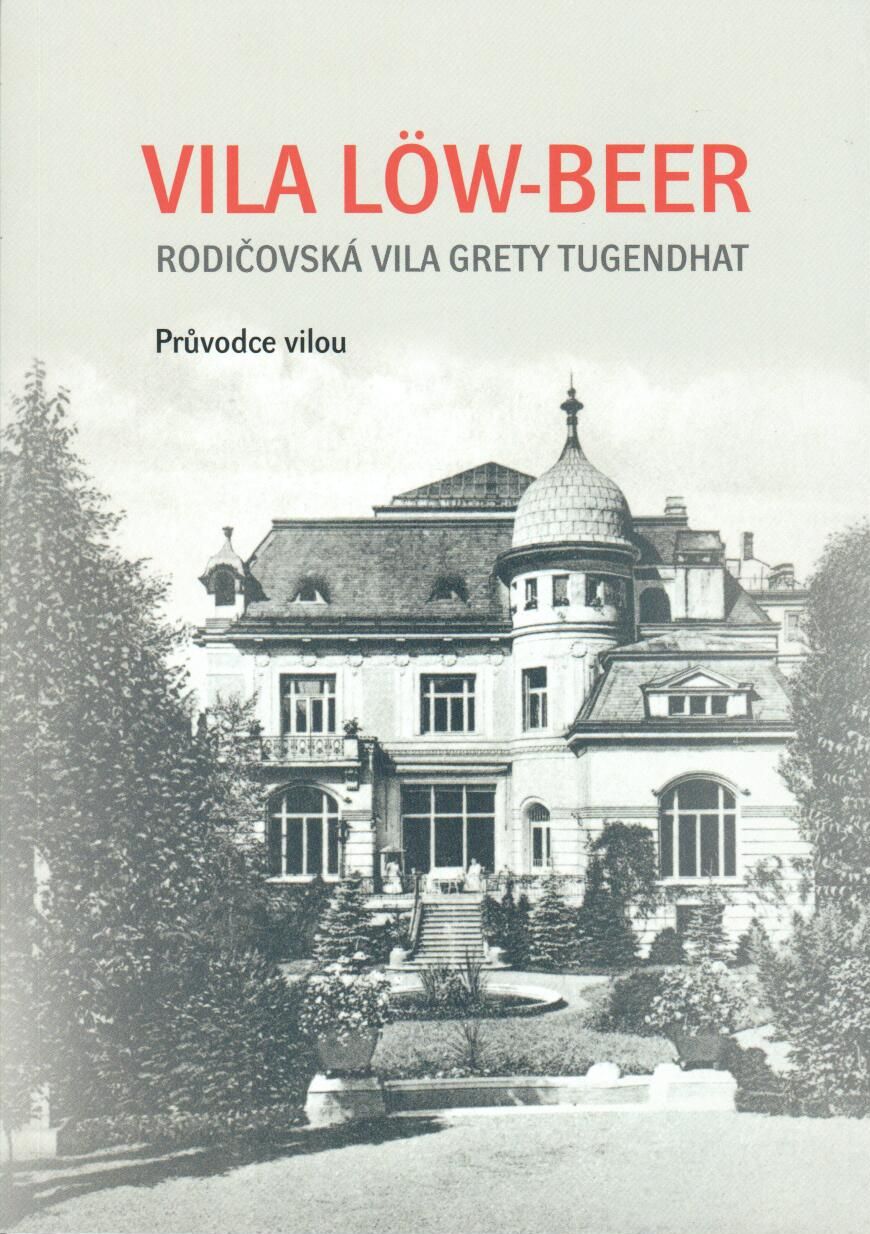
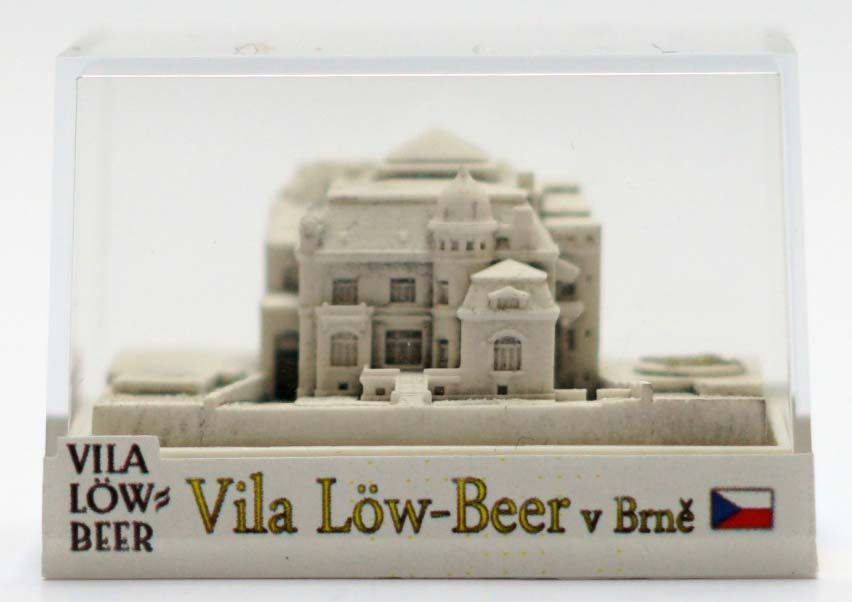
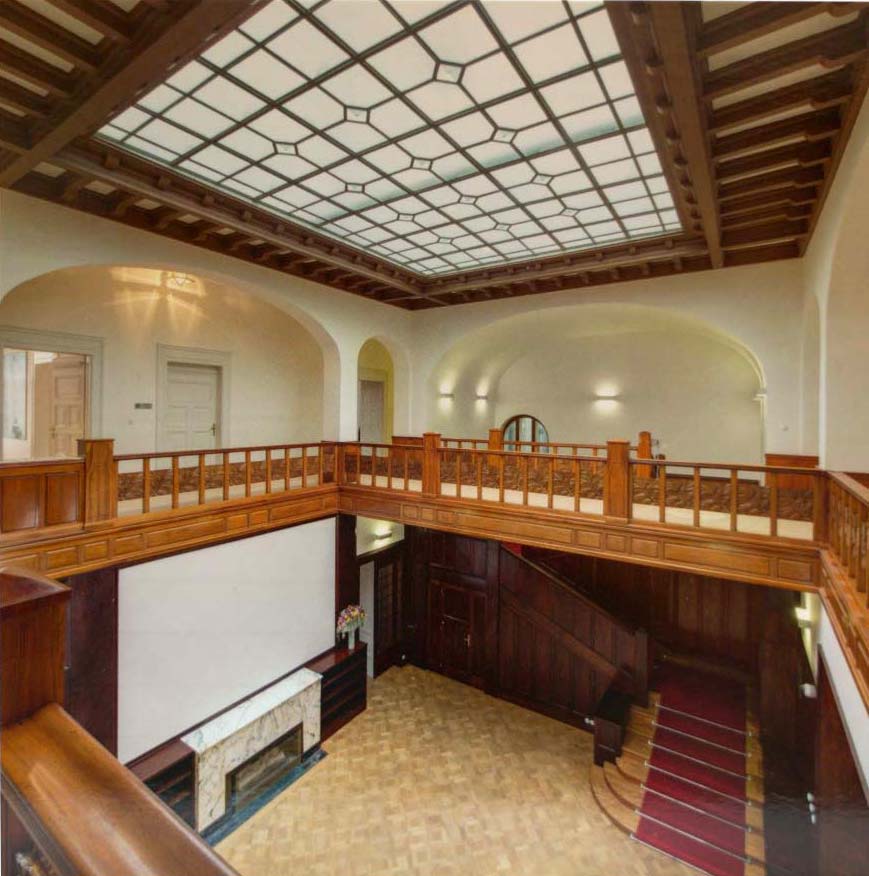
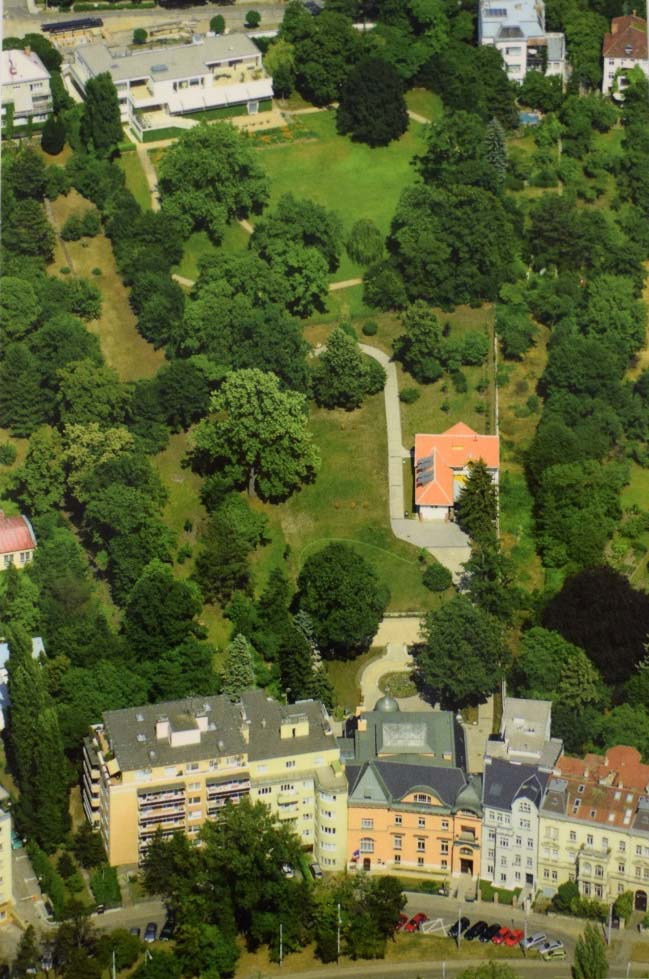
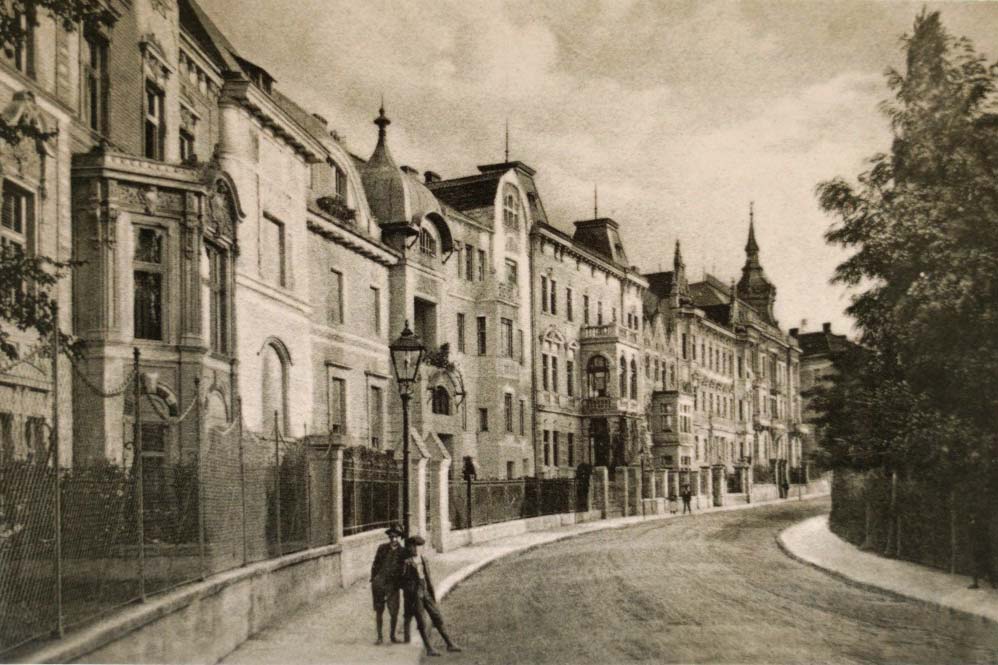
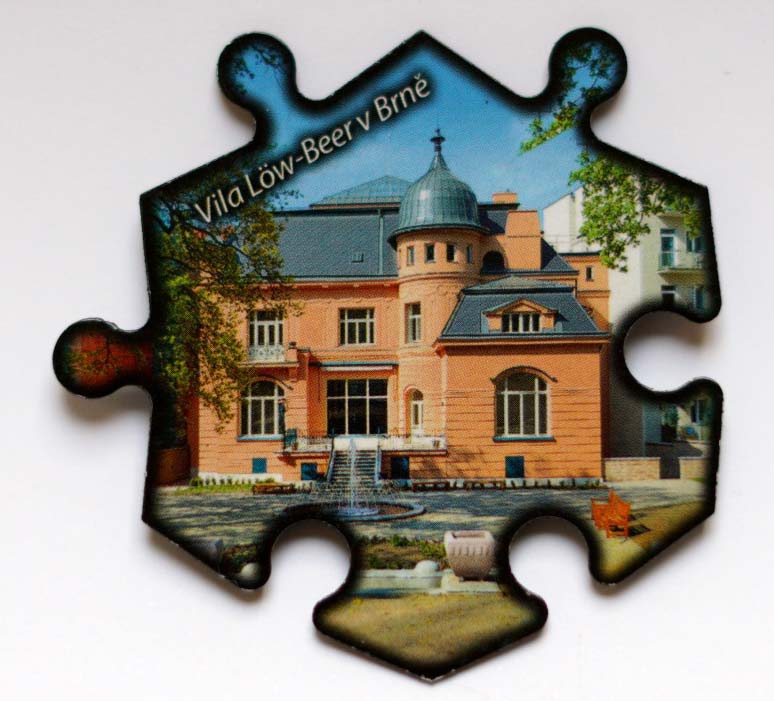
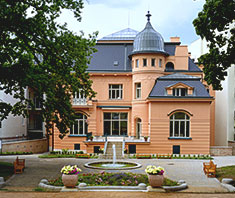
- Vila Löw-Beer představuje a uchovává dějiny židů na Moravě a hitorii rodiny Löw-Beer,
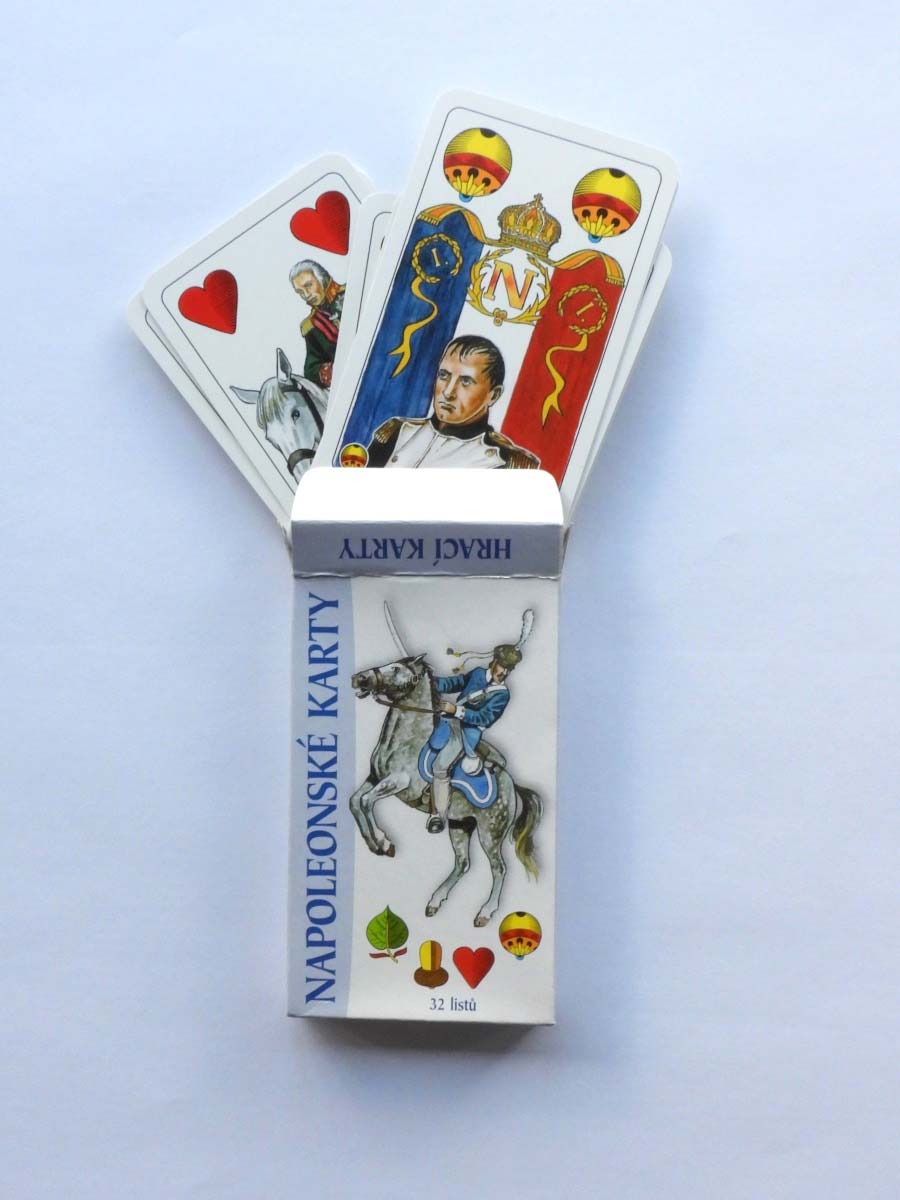
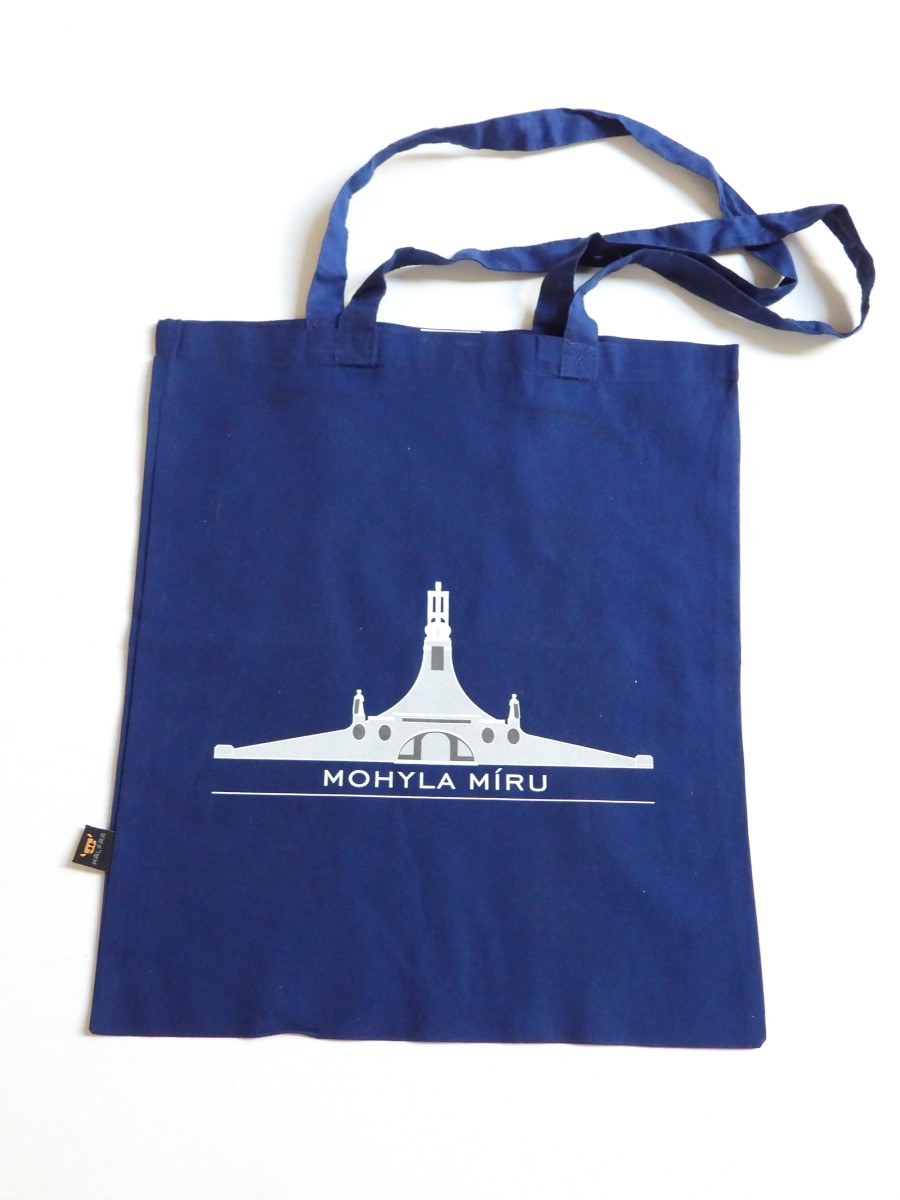
- Památník Mohyla míru připomíná bitvu u Slavkova roku 1805 a napoleonské války,
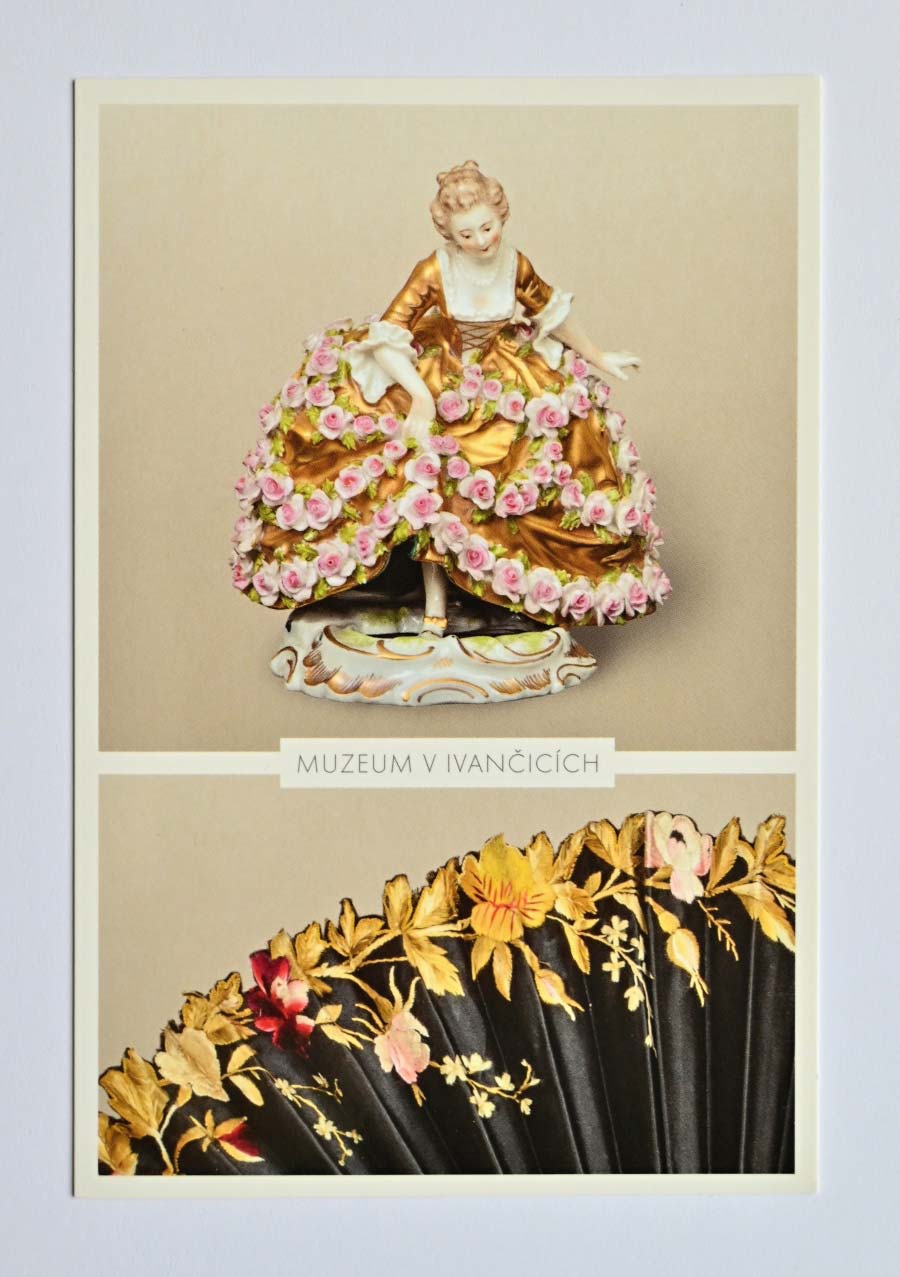
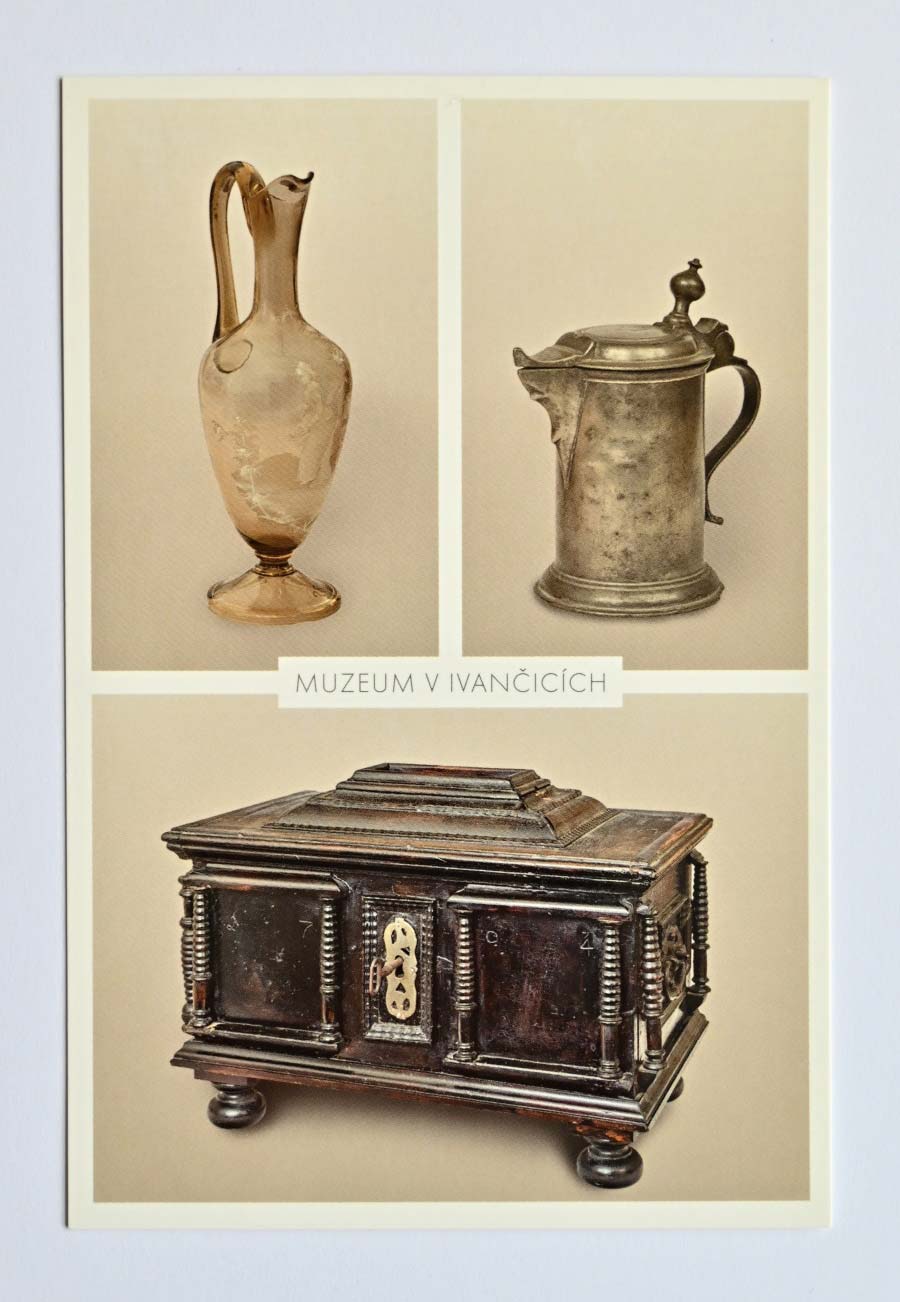
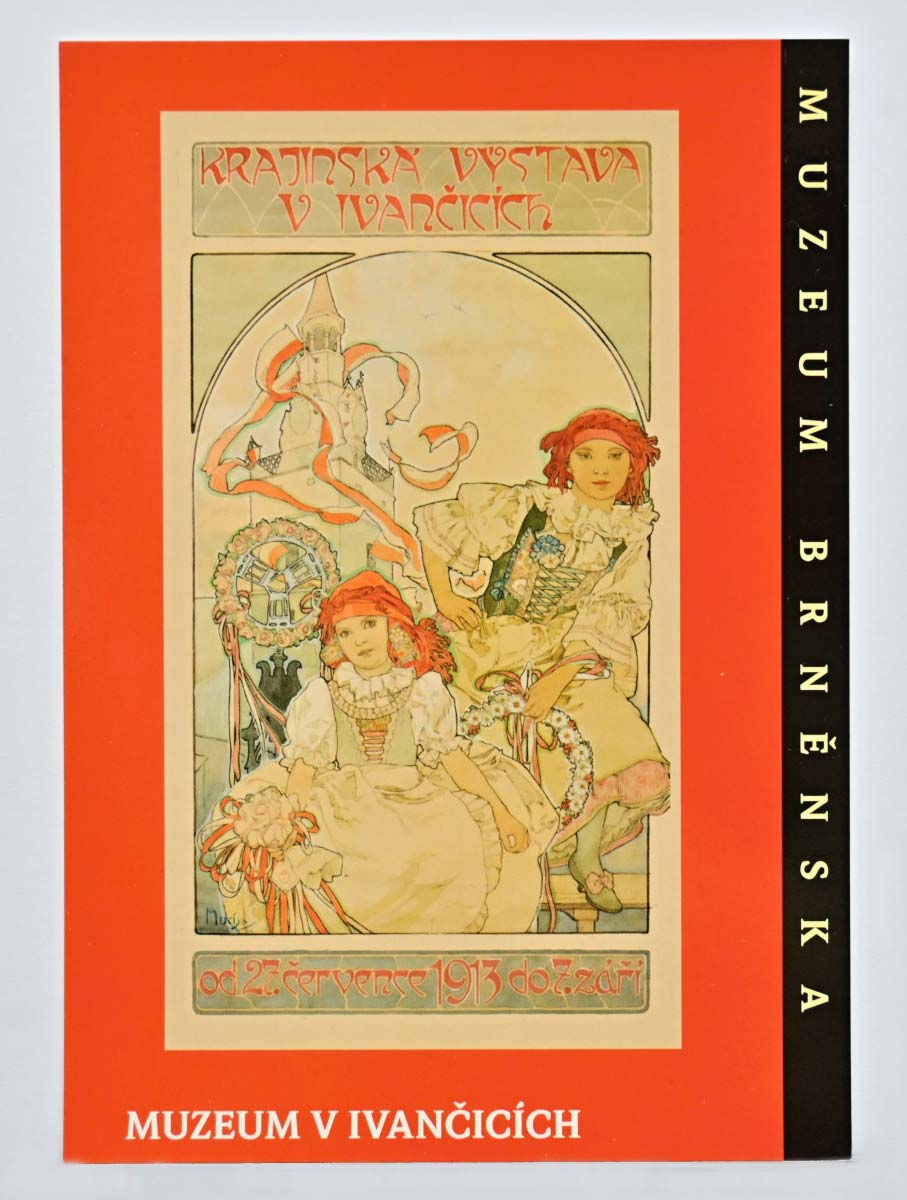
- Muzeum v Ivančicích je nejstarší regionální muzeum na Moravě. Nyní nově sídlí na zámku v Oslavanech.
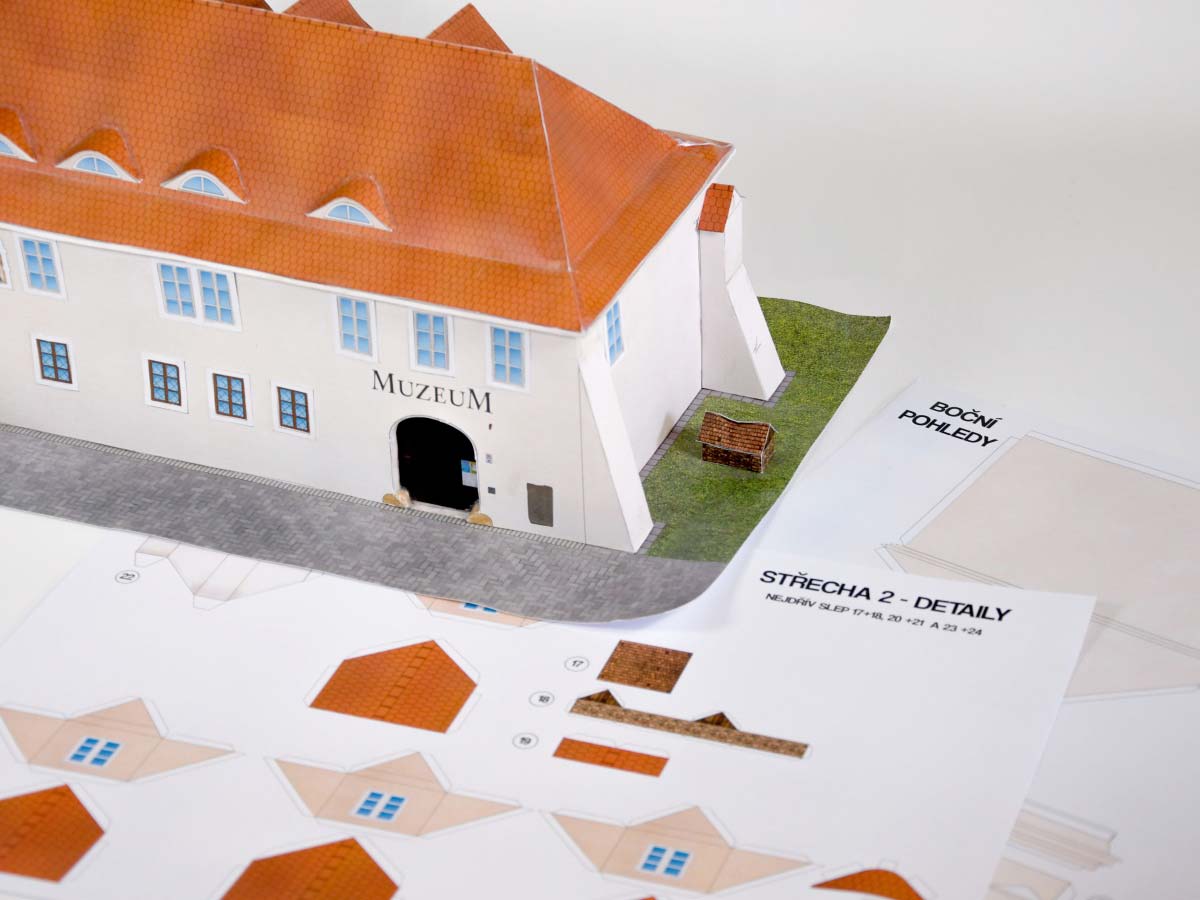
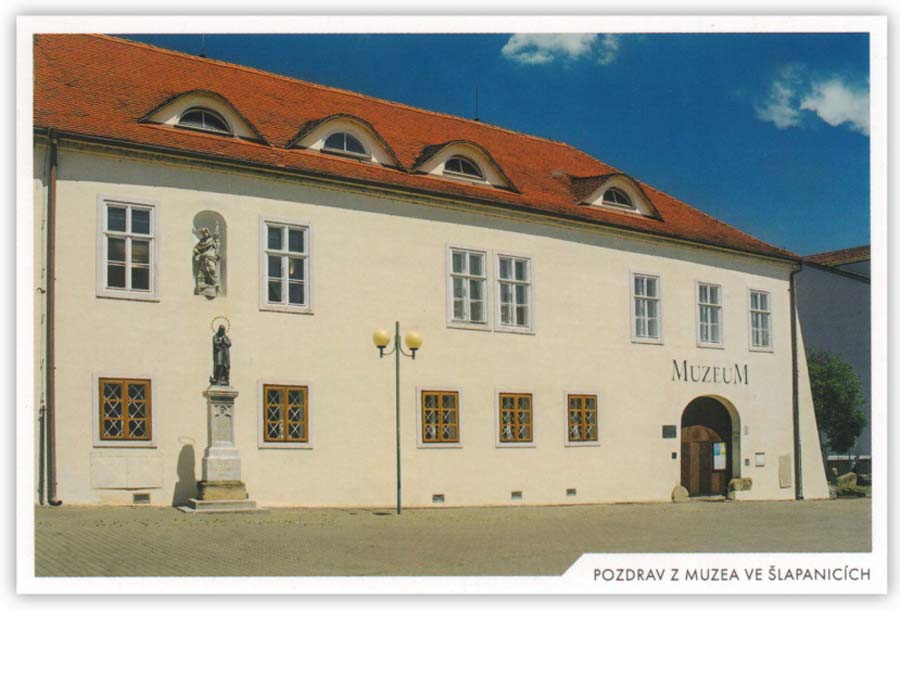
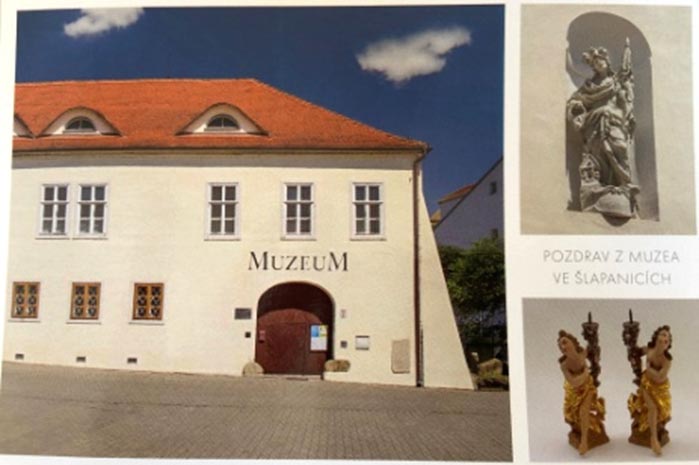
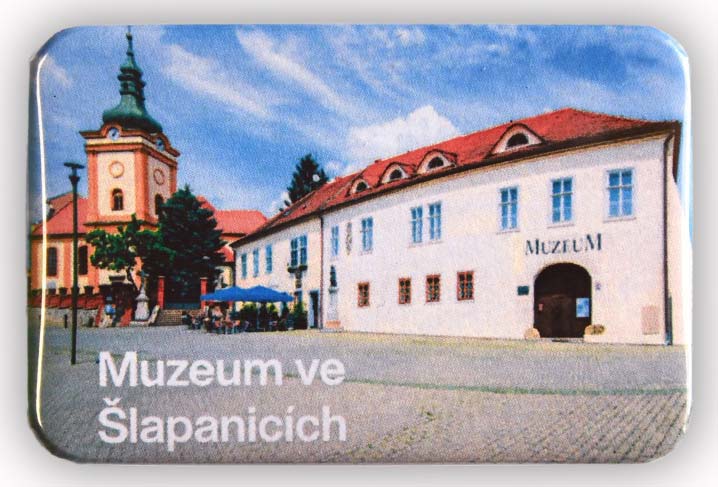
- Muzeum ve Šlapanicích - uchovává a dokumentuje paměť východní části Brna
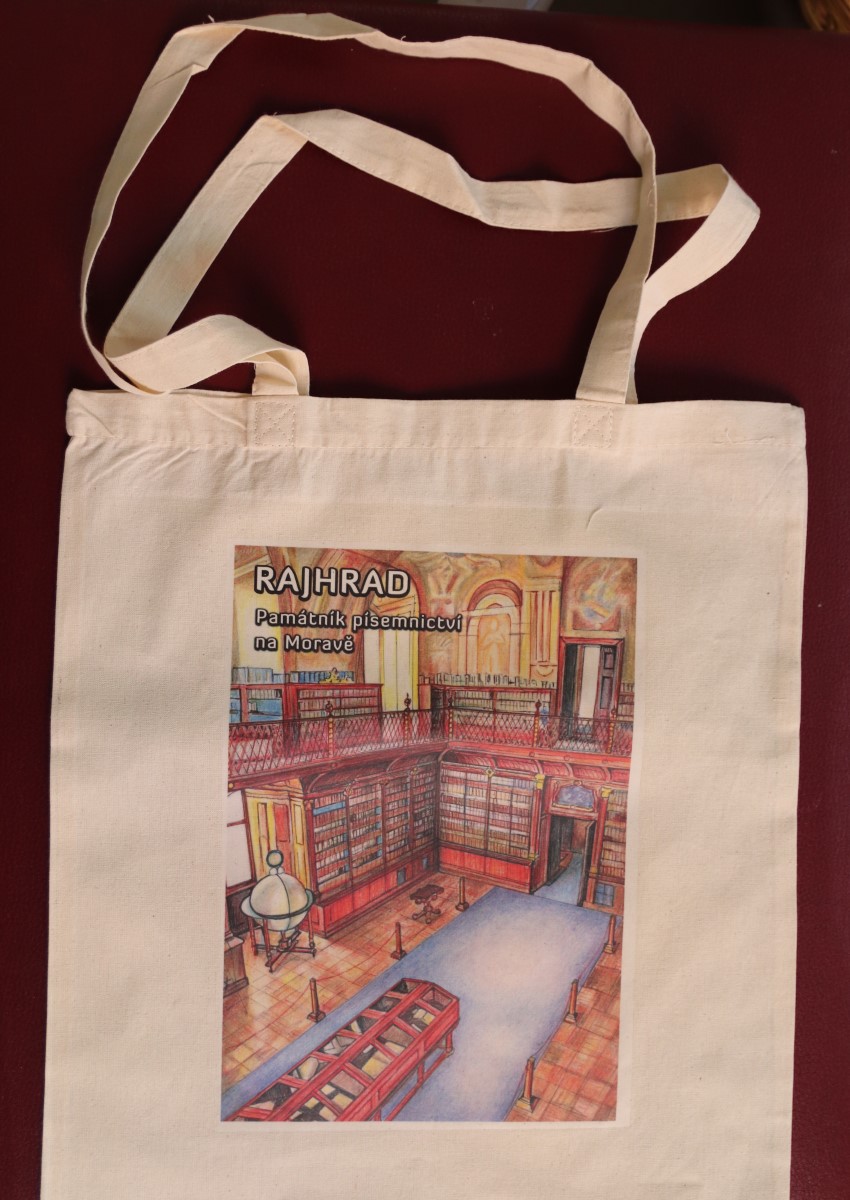
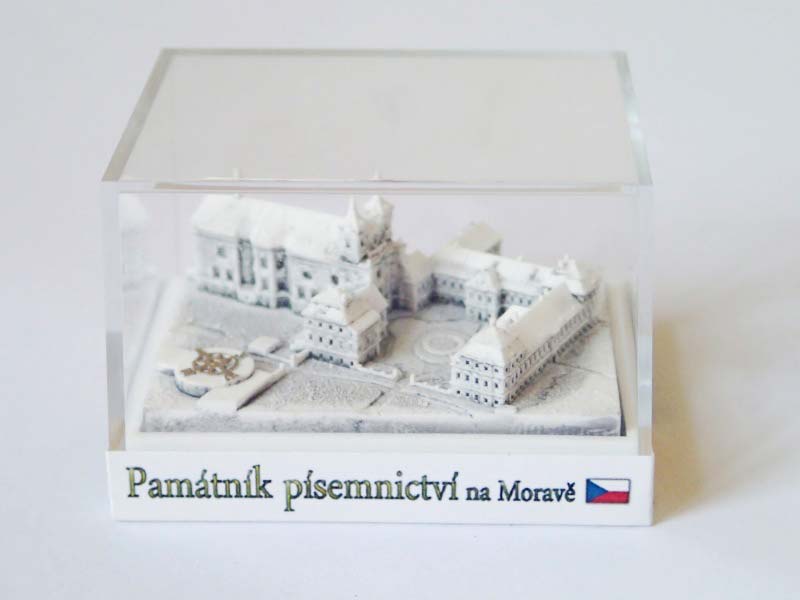
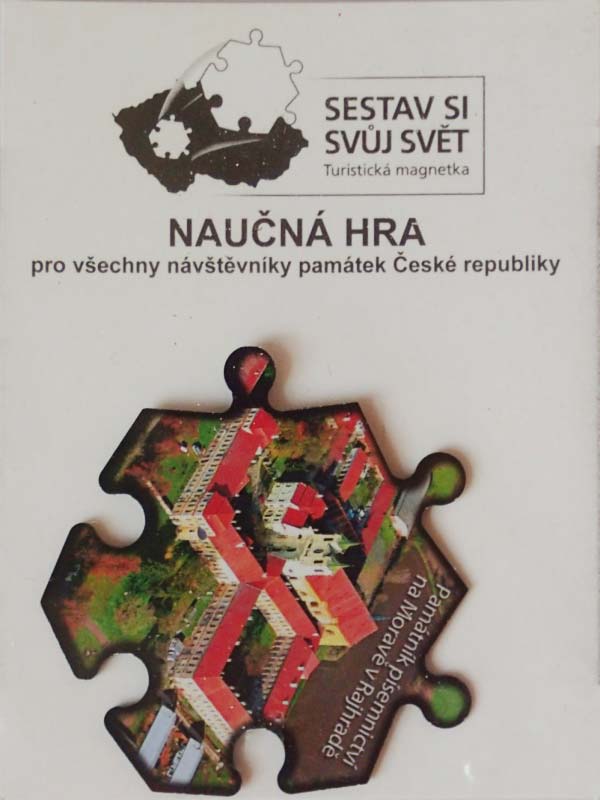
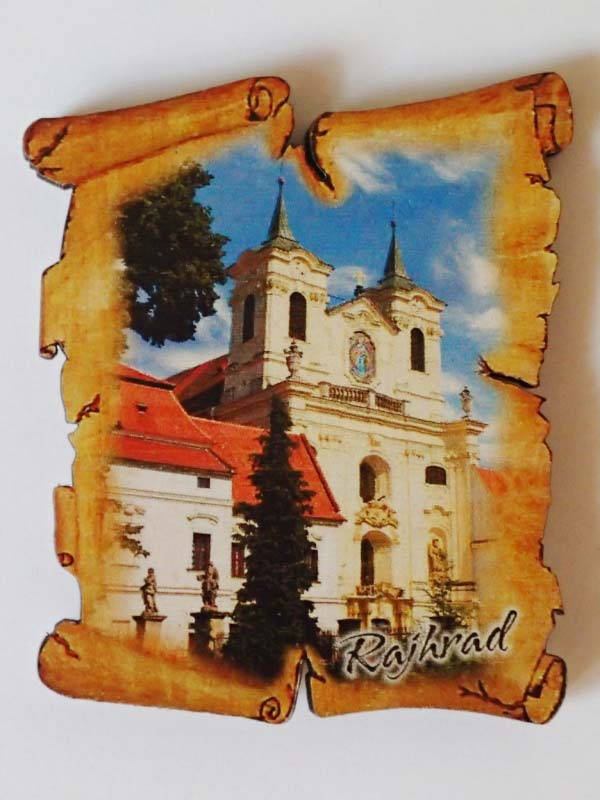
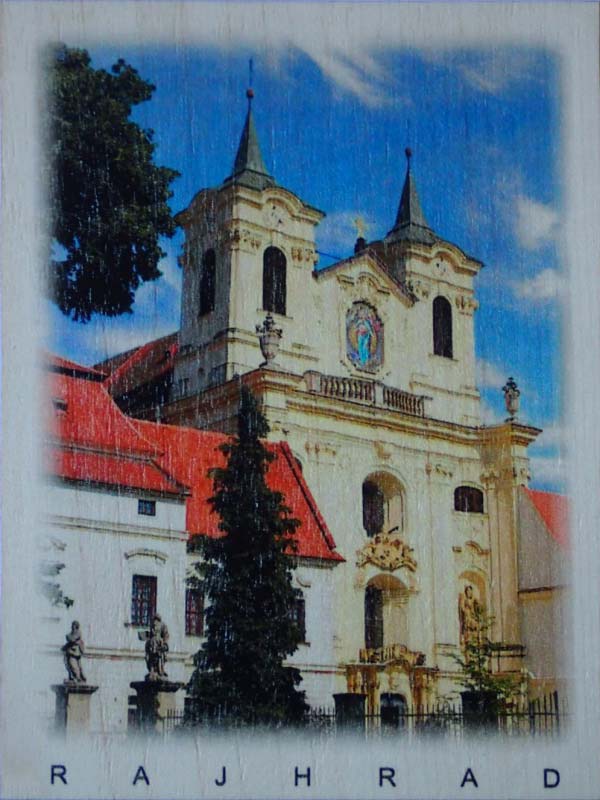
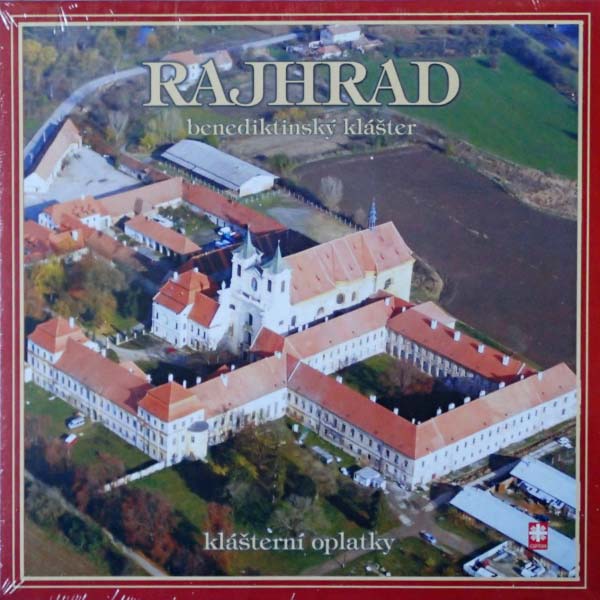
- Památník písemnictví na Moravěnabízí prohlídku stálých expozic představujících nejvýznamnější moravské spisovatele od počátku 9. století až po současnost
Muzeum Brněnska je zřizováno Jihomoravským krajem a v roce 2025 se již podruhé zapojilo do dotačního programu Erasmus+. V aktuálním projektu Jedno muzeum – šest zážitků se věnujeme otázkám jednotné institucionální identity, standardizaci služeb a rozvoji kvality výstavní činnosti. V rámci projektu vyjíždíme na mobility do řady evropských zemí, a také zveme zahraniční experty do České republiky. Cílem našeho zapojení je sdílení zkušeností se zahraničními partnery, rozvoj odborných kompetencí zaměstnanců a posilování evropské spolupráce. Projekt trvá do října roku 2026.
Naše cesty můžete sledovat na webu muzea v sekci fotogalerie i na Facebooku.
Oficiální dokumenty o zapojení do projektu Erasmus + naleznete zde.

Financováno Evropskou unií. Názory vyjádřené jsou názory autora a neodráží nutně oficiální stanovisko Evropské unie či Evropské výkonné agentury pro vzdělávání a kulturu (EACEA). Evropská unie ani EACEA za vyjádřené názory nenese odpovědnost.
EN __________________________________
The Brno Region Museum is a contributory organization of the South Moravian Region, which manages important historical buildings and cares for the cultural heritage of the region. Its main headquarters are located in the Porta Coeli monastery complex in Předklášteří. The museum is dedicated to collecting, researching, exhibiting, and educational activities, preparing cultural programs, and supporting community life. The Brno Region Museum consists of a total of six branches:
- The Museum of the Podhoracko Region - is a memory institution for the region of the city of Tišnov and the surroundig villages.
- The Villa Löw-Beer in Brno presents and preserves the entitled Jews in Moravia and the history of the Löw-Beer family,
- The Cairn of Peace Memorial was built in honour of victims of the battle of Austerlitz (2. 12. 1805)
- The Museum in Ivančice is one of the oldest regional museums in Moravia. It is located in the Oslavany Chateau.
- The Museum in Šlapanice - preserves and documents the memory of the east Brno region
- The Museum of Literature in Moravia offers the visit of permanent exhibitions introducing the most distinguished writers in Moravia from the beginning of the 9th century to the present date
The Museum of the Brno Region is established by the South Moravian Region, and it joined the Erasmus+ grant programme for the second time. In the current project, One Museum – Six Experiences, we focus on issues of unified institutional identity, service standardization, and the improvement of exhibition quality. As part of the project, we undertake mobility visits to several European countries and also invite foreign experts to the Czech Republic. The aim of our participation is to share experience with international partners, develop our staff's professional competencies, and strengthen European cooperation. The project ends in October 2026.
You can follow our travels on the museum's website in the photo gallery section and on Facebook.
Official documents regarding participation in the Erasmus+ project can be found here.

Funded by the European Union. Views and opinions expressed are however those of the author(s) only and do not necessarily reflect those of the European Union or the European Education and Culture Executive Agency (EACEA). Neither the European Union nor EACEA can be held responsible for them.